The Drum · Weekly AI news, freeSubscribe →

Share
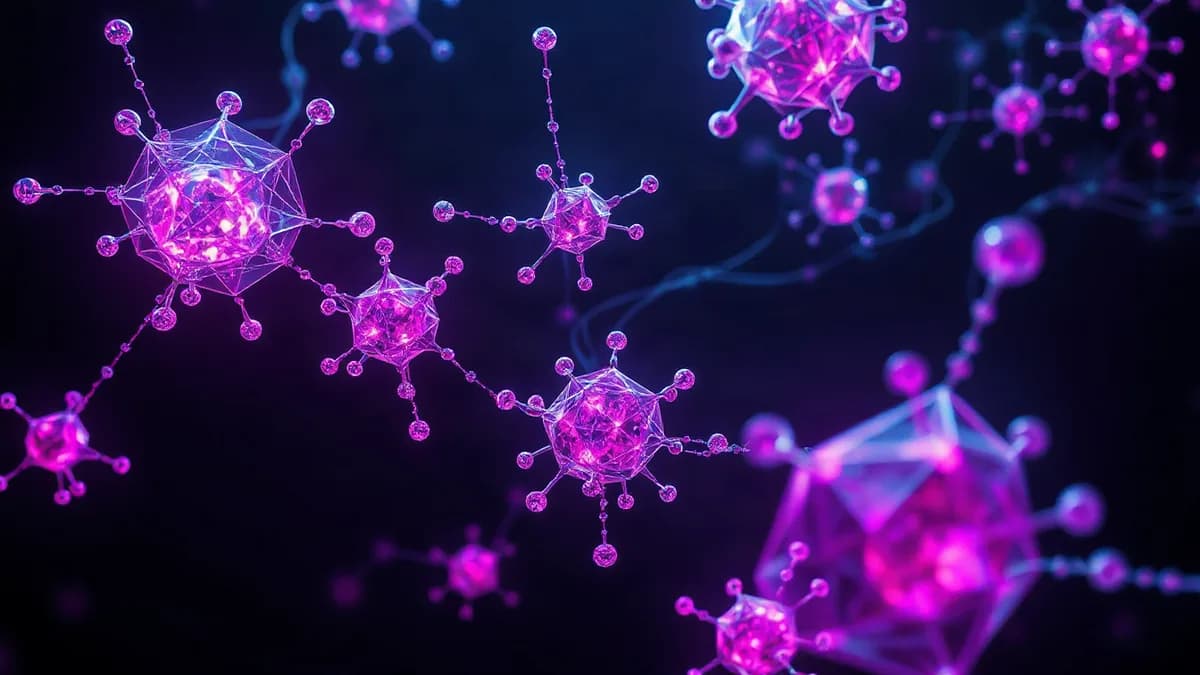
AI and biotech are revolutionizing drug discovery by turning haystacks into orderly stacks, swiftly identifying promising compounds and accelerating the development of life-saving treatments for global health challenges.
In a world where medical breakthroughs can mean the difference between life and death, the intersection of artificial intelligence (AI) and biotechnology is proving to be a game-changer. This collaboration is not just about speeding up the process of drug discovery; it's about making healthcare more accessible, efficient, and personalized for everyone.
Imagine you're trying to find a specific needle in a vast haystack. That's what drug discovery often feels like for researchers. They must sift through countless compounds to identify those few that have the potential to treat diseases effectively. This process is time-consuming, expensive, and fraught with uncertainties. Enter AI: a powerful tool that can analyze massive datasets, predict molecular interactions, and simulate biological processes at an unprecedented scale.
AI algorithms are trained on vast amounts of data from past research, clinical trials, and patient records. These algorithms can then identify patterns and make predictions that would be nearly impossible for human researchers alone. For example, AI can predict how a new drug molecule will interact with specific proteins in the body, helping to determine its effectiveness and safety before it even reaches the lab.
One of the most significant benefits of using AI in drug discovery is the acceleration of the research timeline. Traditionally, it takes about 10 years and $2 billion to bring a new drug from the initial discovery phase to market approval. With AI, this process can be shortened significantly. For instance, Insilico Medicine, a biotech company specializing in AI-driven drug discovery, recently announced that they had identified a potential treatment for idiopathic pulmonary fibrosis (IPF) in just 18 months-a fraction of the time it would typically take.
The impact of these advancements is already being felt in various areas of public health. For example, AI has been instrumental in identifying new treatments for rare diseases, which are often overlooked by traditional pharmaceutical companies due to their limited market size. By leveraging AI, researchers can focus on these neglected conditions and develop therapies that could improve the lives of millions.
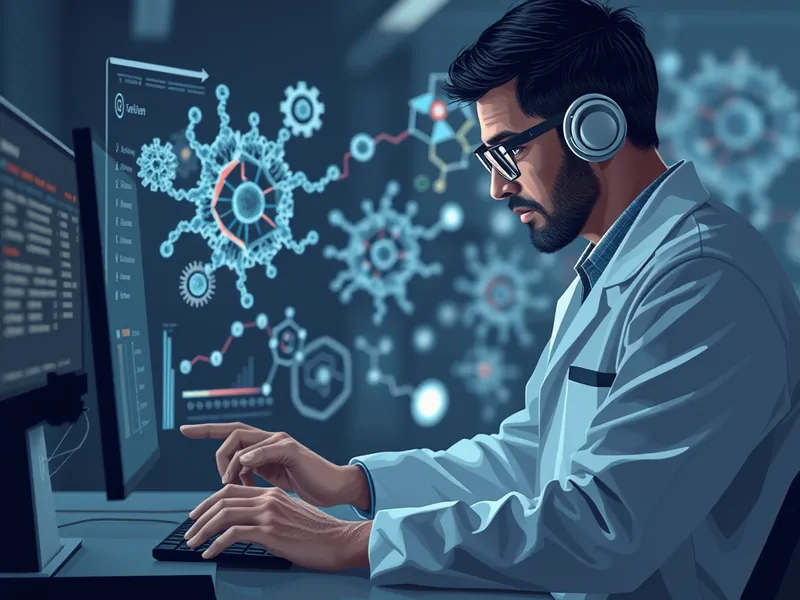
Moreover, AI is also being used to personalize medicine. Each person's genetic makeup is unique, and what works for one individual might not work for another. AI can help tailor treatments to specific genetic profiles, increasing the effectiveness of drugs and reducing side effects. This approach, known as precision medicine, has the potential to revolutionize how we treat a wide range of conditions, from cancer to mental health disorders.
While the benefits of AI in drug discovery are undeniable, it's important to consider the risks and ethical implications. One concern is data privacy. The effectiveness of AI depends on access to large datasets, including sensitive patient information. Ensuring that this data is collected, stored, and used ethically is crucial to maintaining public trust.
Another risk is the potential for bias in AI algorithms. If the training data is not diverse enough, the AI might make predictions that are biased against certain populations. This could lead to ineffective or even harmful treatments for those groups. Therefore, it's essential to ensure that the datasets used to train these algorithms are representative of the entire population.
The future of drug discovery with AI looks promising. As technology continues to advance and more data becomes available, we can expect even greater breakthroughs in healthcare. However, it's important to proceed with caution, ensuring that ethical considerations are at the forefront of every step.
In the end, the goal is not just to find new drugs but to improve public health outcomes for all. By combining the power of AI with the expertise of human researchers, we can create a future where medical breakthroughs are more frequent, accessible, and equitable.
Tags
Original Sources
↗ https://www.goodnewsnetwork.org/more/about-us
About the author
Amara's entry point into AI was an epidemiology role at a London research hospital, where she spent five years studying how digital health tools reached — or conspicuously failed to reach — underserved communities. Watching early algorithmic systems in healthcare quietly entrench existing inequalities, she redirected her career toward the systemic consequences of AI at scale. She covers AI through an unflinching lens: who benefits, who bears the cost, and what evidence actually says versus what the press release claims. Her writing is calm and precise, but she doesn't mistake balance for neutrality.
More from The Steward →This Week's Edition
29 April 2026
29 articles
Related Articles
Related Articles
More Stories
© 2026 Cedar & Bloom. All rights reserved.