The Drum · Weekly AI news, freeSubscribe →

Share
The push for renewable energy has surged, defying attempts by the previous administration to slow its progress. Here’s how and why this matters.
The transition to clean energy is a critical front in the fight against climate change. Over the past few years, despite efforts by the Trump administration to prop up fossil fuels, the growth of renewable energy sources like wind and solar has been nothing short of remarkable. According to S&P Global Energy, capacity will rise by a record 45 gigawatts (GW) this year alone.
This surge in clean energy is not just a statistical blip; it represents a significant shift in how we generate and consume power. The implications are far-reaching, affecting everything from air quality and public health to economic opportunities and global climate goals.
The Trump administration’s policies were designed to bolster the coal industry and roll back environmental regulations that they deemed burdensome. One of the most notable actions was the withdrawal from the Paris Agreement in 2017, a move that signaled a retreat from international commitments to reduce greenhouse gas emissions. However, these efforts did little to stem the tide of renewable energy adoption.
The growth of clean energy is being driven by market forces rather than government mandates. The cost of renewable technologies has plummeted over the past decade, making them increasingly competitive with traditional fossil fuels. For instance, the levelized cost of electricity (LCOE) for solar and wind power has dropped dramatically. In many regions, it is now cheaper to build new solar or wind facilities than to continue operating existing coal plants.
This economic reality is compelling utility companies and private investors to shift their focus toward renewables. Major corporations like Google, Amazon, and Microsoft have made significant investments in renewable energy projects as part of their sustainability goals. These companies recognize that clean energy not only helps them meet environmental targets but also provides a stable and cost-effective source of power for their operations.
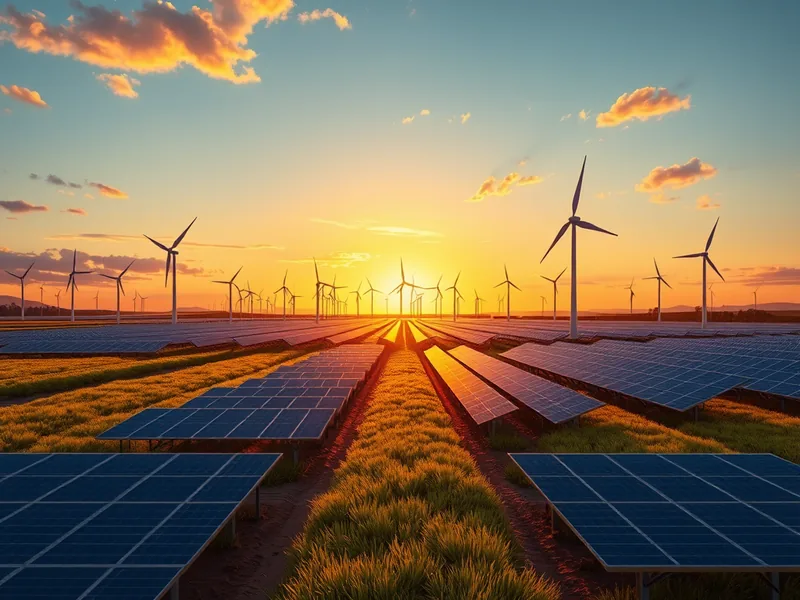
The resilience of the renewable sector is also evident in its ability to attract substantial investment. Venture capital firms and private equity groups are pouring billions into startups developing innovative clean technologies. This influx of capital is fueling research and development, leading to breakthroughs that further drive down costs and improve efficiency.
The future of clean energy looks promising, but it is not without challenges. As the grid becomes increasingly reliant on intermittent sources like wind and solar, the need for robust storage solutions and smart grid technologies becomes more pressing. Battery storage, in particular, is a key area of focus. Advances in battery technology will be crucial for ensuring that renewable energy can provide reliable power around the clock.
The transition to clean energy must be inclusive and equitable. The benefits of this shift should extend to all communities, particularly those historically marginalized or disproportionately affected by pollution from fossil fuels. Policies and programs aimed at job training and workforce development in the renewable sector can help ensure that the economic opportunities created by this transition are widely shared.
The Biden administration has signaled a strong commitment to addressing climate change and promoting clean energy. Rejoining the Paris Agreement and setting ambitious targets for reducing greenhouse gas emissions are just the beginning. Federal investments in research, infrastructure, and incentives for renewable energy adoption will be essential for accelerating the transition.
The resilience of the clean energy sector is a testament to the power of innovation and market forces. As we continue to make progress toward a more sustainable future, it is crucial that we address the challenges and ensure that the benefits are shared equitably. The journey ahead is long, but the momentum is undeniable.
Tags
Original Sources
Trump tried to curb clean energy. It’s booming anyway.
↗ https://arstechnica.com/civis/threads/trump-tried-to-curb-clean-energy-it%E2%80%99s-booming-anyway.1514483/page-4
About the author
Amara's entry point into AI was an epidemiology role at a London research hospital, where she spent five years studying how digital health tools reached — or conspicuously failed to reach — underserved communities. Watching early algorithmic systems in healthcare quietly entrench existing inequalities, she redirected her career toward the systemic consequences of AI at scale. She covers AI through an unflinching lens: who benefits, who bears the cost, and what evidence actually says versus what the press release claims. Her writing is calm and precise, but she doesn't mistake balance for neutrality.
More from The Steward →This Week's Edition
31 August 2026
17 articles
Related Articles
Related Articles
More Stories
© 2026 Cedar & Bloom. All rights reserved.