The Drum · Weekly AI news, freeSubscribe →

Share
As data centers gobble up more energy, the price tag for constructing natural gas power plants is skyrocketing, raising tough questions about sustainability and the true cost of our digital lifestyle.
In a world increasingly reliant on digital services, the energy demands of data centers are becoming a significant concern. According to recent reports, the surge in electricity consumption by data centers has led to a 66% increase in the cost of building natural gas power plants over just two years. This spike not only affects the financial bottom line but also has broader implications for environmental sustainability and climate change.
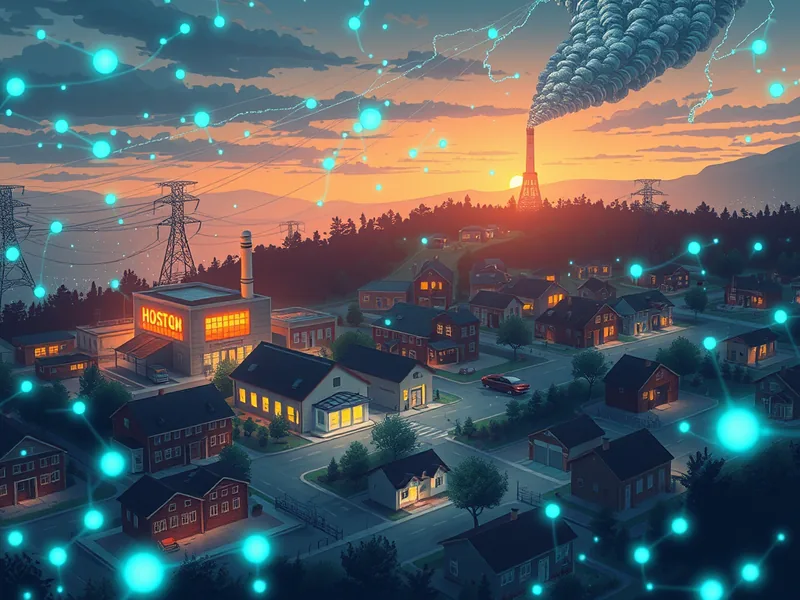
Imagine a small town where the local hospital, schools, and businesses all rely on a stable supply of electricity to function. Now, picture that same town facing rolling blackouts because nearby data centers are consuming an unprecedented amount of power. This scenario is not far-fetched; it's a growing reality in many communities around the world.
Data centers, which house servers and other computing infrastructure, are the backbone of our digital economy. They store vast amounts of data, support cloud services, and enable everything from streaming movies to online banking. However, these facilities require enormous amounts of energy to operate and cool their equipment, leading to a significant strain on power grids.
According to industry analysts, natural gas power plant costs have risen dramatically. In just two years, the cost of building a new natural gas power plant has increased by 66%, and construction times have extended by 23%. This means that what once took about 24 months to build now takes closer to 30 months.
The primary driver behind this surge is the exponential growth in data center electricity demand. As more people rely on digital services, the need for robust and reliable power sources has never been higher. Natural gas, with its relative abundance and lower carbon footprint compared to coal, has become a popular choice for meeting this demand. However, the rapid increase in construction costs and timelines is causing concern among policymakers and environmental advocates.
The environmental impact of this trend cannot be ignored. While natural gas is often touted as a cleaner alternative to coal, it still releases significant amounts of carbon dioxide (CO2) when burned. The increased demand for natural gas power plants means more CO2 emissions, which contribute to climate change and exacerbate global warming.
Moreover, the construction and operation of these power plants have other environmental impacts, such as water usage and land degradation. For example, cooling towers in natural gas plants require large amounts of water, which can strain local water resources, especially in arid regions.
On one hand, data centers are essential for modern society. They support critical services like healthcare, education, and financial transactions. The digital economy has created jobs and driven innovation, leading to economic growth and improved quality of life for many people.
On the other hand, the environmental costs of meeting this energy demand are significant. Policymakers must find a balance between supporting technological advancement and protecting the environment. This could involve investing in renewable energy sources like solar and wind power, which can provide clean, sustainable energy to data centers without the same environmental impact as natural gas.
To address these challenges, several long-term solutions are being explored:
Renewable Energy Integration: Transitioning data centers to renewable energy sources can significantly reduce their carbon footprint. Many tech companies are already making commitments to achieve 100% renewable energy use in their operations.
Energy Efficiency: Improving the energy efficiency of data centers through advanced cooling technologies and better hardware design can help reduce overall energy consumption.
Policy and Regulation: Governments can play a crucial role by implementing policies that incentivize the use of clean energy and penalize high carbon emissions. This could include tax credits for renewable energy investments and stricter regulations on greenhouse gas emissions.
Community Engagement: Engaging local communities in the planning and development of new power infrastructure can help ensure that their needs and concerns are addressed, leading to more sustainable and equitable outcomes.
The surge in natural gas power plant costs driven by data center demand is a complex issue with far-reaching implications. While these facilities are vital for our digital economy, we must also consider the environmental consequences of our energy choices. By investing in renewable energy, improving efficiency, and implementing thoughtful policies, we can ensure that our technological progress does not come at the expense of our planet.
Tags
Original Sources
About the author
Amara's entry point into AI was an epidemiology role at a London research hospital, where she spent five years studying how digital health tools reached — or conspicuously failed to reach — underserved communities. Watching early algorithmic systems in healthcare quietly entrench existing inequalities, she redirected her career toward the systemic consequences of AI at scale. She covers AI through an unflinching lens: who benefits, who bears the cost, and what evidence actually says versus what the press release claims. Her writing is calm and precise, but she doesn't mistake balance for neutrality.
More from The Steward →This Week's Edition
30 April 2026
29 articles
Related Articles

Nuclear Plants Are Squeezing Out More Power, But It Won't Be Enough to Meet AI's Demand
Environment & Climate · 5 min

The Hidden Environmental Price Tag of Artificial Intelligence
Environment & Climate · 5 min

Iambic Therapeutics Raises $150 Million in IPO to Fund AI-Designed Cancer Drugs
Finance & Markets · 5 min
Related Articles
Nuclear Plants Are Squeezing Out More Power, But It Won't Be Enough to Meet AI's Demand
Environment & Climate · 5 min
The Hidden Environmental Price Tag of Artificial Intelligence
Environment & Climate · 5 min
Iambic Therapeutics Raises $150 Million in IPO to Fund AI-Designed Cancer Drugs
Finance & Markets · 5 min
More Stories
© 2026 Cedar & Bloom. All rights reserved.
