The Drum · Weekly AI news, freeSubscribe →

Share
Photovoltaic panels dominate our image of solar energy, but they can't do everything. Concentrated solar thermal systems, using mirrors and dishes to generate industrial heat and steam, are quietly filling gaps that panels alone cannot reach.
When most people picture solar power, they see rooftop panels or vast fields of blue-black modules soaking up sunlight. That image is accurate, but incomplete. There's an entire other branch of solar technology that doesn't generate electricity directly at all. Instead, it uses mirrors to concentrate sunlight into intense heat, heat that can drive steam turbines, power industrial processes, or warm buildings. For communities and industries with needs that photovoltaic (PV) panels simply can't meet, this thermal approach matters more than most people realize.
Think of a magnifying glass focusing sunlight to burn a leaf. Concentrated solar systems work on the same principle, just at a much larger scale. Curved mirrors, whether shaped like troughs, dishes, or arranged in a field pointed at a central tower, gather sunlight from a wide area and focus it onto a small target. That target gets extremely hot, hot enough to boil water into steam or melt storage materials that hold heat for later use.
This distinction matters because PV and thermal solar solve different problems. Photovoltaic cells convert sunlight directly into electricity through the photovoltaic effect, a process that works well for powering homes, charging devices, and feeding the electrical grid. But some industries need raw heat, not electricity. Petrochemical plants, food processing facilities, textile dyeing operations, and even large hotel and residential complexes require steam and hot water at industrial scale. Concentrated solar thermal can supply that heat directly, often more efficiently than converting sunlight to electricity first and then converting that electricity back into heat.
One commenter on the original IEEE Spectrum piece, engineer Anjan Saha, made a related point worth underscoring: concentrating sunlight onto PV panels actually creates a problem rather than solving one. It boosts the amount of solar energy hitting the panel, but the resulting heat buildup reduces the efficiency of the solar cells, requiring extra cooling systems to compensate. Concentrated solar thermal avoids that trap entirely by capturing heat as heat, using it directly for steam generation through proper heat exchangers rather than fighting against unwanted warming in electronic components.
Here's where concentrated solar thermal offers something photovoltaic panels genuinely cannot: affordable, large-scale energy storage. Electricity storage, mainly through lithium-ion batteries, remains expensive and resource-intensive. Thermal storage is comparatively simple. Heat can be stored in molten salts, which retain that energy for hours after the sun goes down, then release it later to generate steam and electricity overnight or during cloudy stretches.
A recent development highlighted in the article's comment section points to promising progress here. Seaborg Technology, a Danish company originally focused on molten salt nuclear reactors, developed a method for controlling corrosion problems in sodium hydroxide when used as a molten salt storage medium. Sodium hydroxide, the same caustic compound found in drain cleaners like Drano, is highly effective at storing thermal energy but notoriously corrosive to the equipment that holds it. Seaborg's breakthrough, spun off into a subsidiary aptly named Hyme (a contraction of "hydroxide" and "to melt"), could make this storage approach more practical and durable for concentrated solar plants. It's a reminder that innovations in one energy sector, in this case nuclear research, can unlock progress in a completely different one.
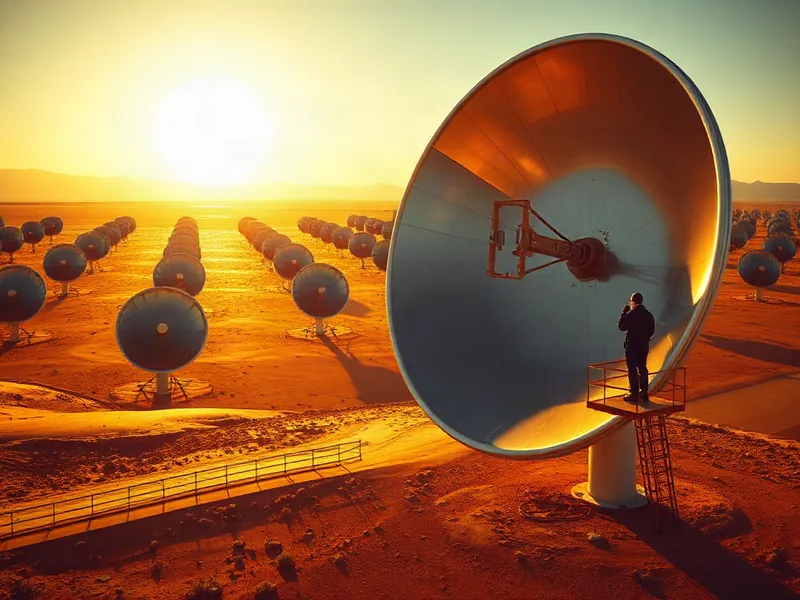
This storage capability matters enormously for grid reliability. Solar power's biggest limitation has always been its intermittency: the sun doesn't shine at night, and it dims behind clouds. Batteries help, but they're costly at the scale needed for entire power grids. Thermal storage, built into concentrated solar plants from the start, offers a more economical path toward dispatchable renewable energy, meaning power that utilities can call on when they need it, not just when the sun happens to be shining.
Concentrated solar thermal isn't without real drawbacks, and engineers in the original discussion raised legitimate concerns. Reader Joshua Stern pointed to the danger these systems pose to birds, which can fly into concentrated beams they cannot see and suffer fatal injuries. He also flagged the intense heat radiating from centralized tower systems as a design flaw worth addressing, suggesting that breaking up a single powerful beam into many smaller, less intense targets might reduce both the fire risk and the wildlife harm.
Saha, in his comment, offered a low-cost countermeasure: installing decoy figures or fluttering flags near the mirror arrays to scare birds away from the beam paths. It's a simple, almost old-fashioned solution to a very modern engineering problem, and it illustrates how solving renewable energy's technical challenges often requires creative thinking beyond pure physics and materials science.
The stakes here go beyond technical curiosity. As the world races to decarbonize, we need every viable tool in the clean energy toolbox, not just the ones that get the most headlines. Photovoltaic panels are wonderful for electricity generation, and their costs have plummeted over the past decade, making them the default choice for many climate solutions. But entire sectors of the economy, heavy industry, food production, chemical processing, run on heat, not just electricity. If we ignore thermal solar technology in favor of PV alone, we leave those sectors dependent on fossil fuels for their process heat needs far longer than necessary.
Concentrated solar thermal, paired with improving storage technology like Hyme's corrosion-resistant molten salt systems, offers a pathway to decarbonize both electricity and industrial heat simultaneously. That's a meaningful contribution to climate goals, even if it doesn't get the same attention as a new solar panel breakthrough. The safety concerns raised by engineers, bird strikes, radiative heat risks, deserve serious engineering attention, not dismissal. Weighing those risks honestly against the substantial benefits is exactly the kind of careful, evidence-based thinking that responsible energy transitions require.
Tags
Original Sources
Parabolic Dish Concentrator
↗ https://spectrum.ieee.org/solar-thermal/parabolic-dish-concentrator
About the author
Amara's entry point into AI was an epidemiology role at a London research hospital, where she spent five years studying how digital health tools reached — or conspicuously failed to reach — underserved communities. Watching early algorithmic systems in healthcare quietly entrench existing inequalities, she redirected her career toward the systemic consequences of AI at scale. She covers AI through an unflinching lens: who benefits, who bears the cost, and what evidence actually says versus what the press release claims. Her writing is calm and precise, but she doesn't mistake balance for neutrality.
More from The Steward →This Week's Edition
27 September 2026
18 articles
Related Articles
Related Articles
More Stories
© 2026 Cedar & Bloom. All rights reserved.